


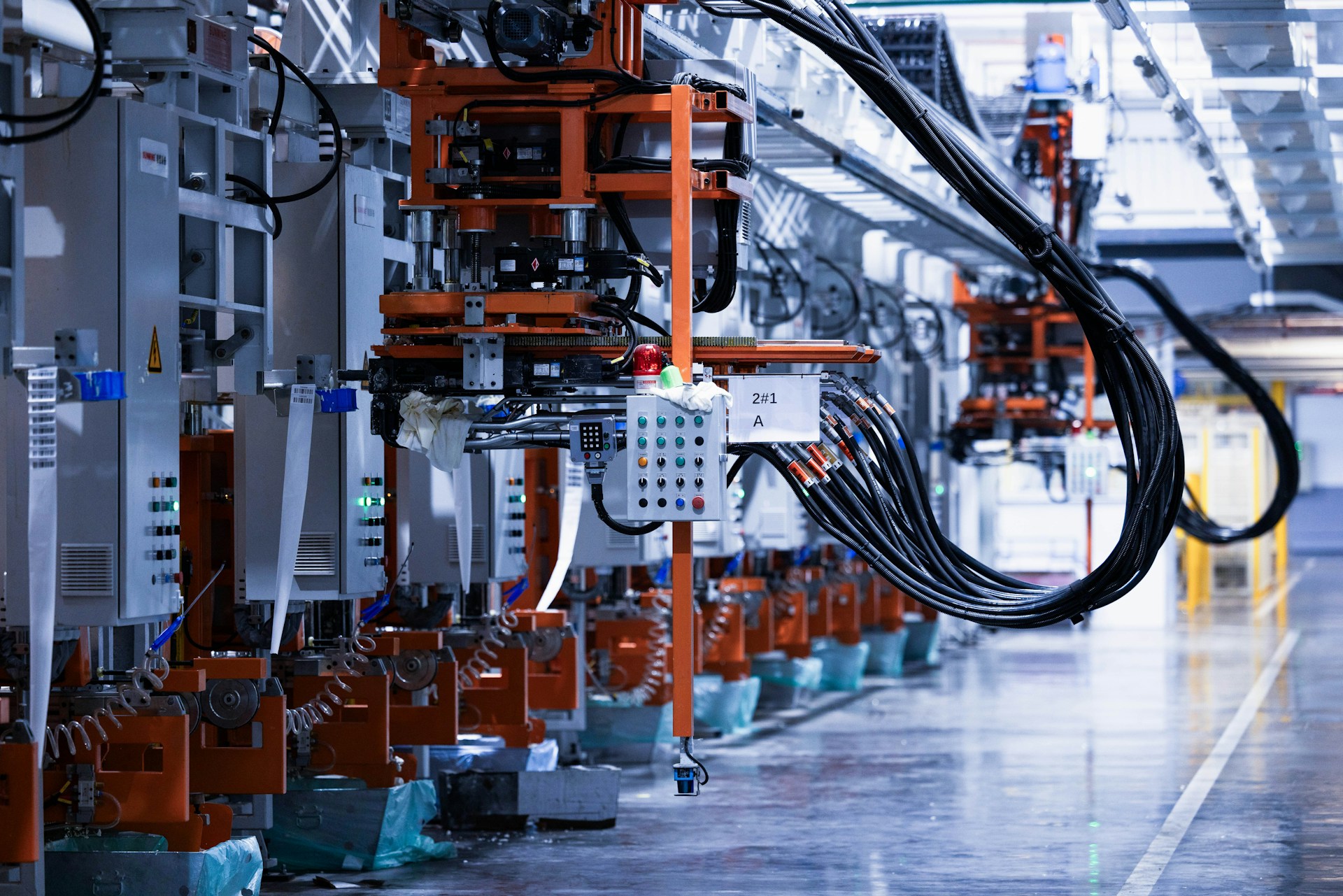
Industrial machinery is the backbone of any production facility. When it’s running smoothly, profits flow. But when it grinds to a halt, the financial impact is immediate and painful. Many facility managers view maintenance as a necessary evil—a cost center that eats into the budget. However, shifting that perspective is key to long-term success.
Viewing maintenance as an investment rather than an expense can transform your operational efficiency. Reactive repairs are almost always more expensive than proactive care. By implementing a consistent maintenance schedule, you aren’t just fixing problems; you are actively extending the lifespan of your critical assets.
This guide explores how regular upkeep prevents catastrophic failures, saves money, and keeps your production line moving. We will look at specific strategies to ensure your heavy equipment serves you well for years to come.
The High Cost of Reactive Maintenance
Waiting for a machine to break down before fixing it is a strategy, but it’s a costly one. This approach, known as reactive maintenance, might seem like it saves money in the short term because you aren’t spending on parts or labor when things are running. However, the hidden costs are substantial.
When a piece of industrial machinery fails unexpectedly, production stops. This downtime ripples through the entire supply chain, causing missed deadlines and potential contract penalties. Furthermore, emergency repairs often require rush shipping for parts and overtime pay for technicians, inflating the repair bill significantly.
Safety Implications
Beyond the financial hit, neglected equipment poses severe safety risks. A machine that hasn’t been inspected may have loose guards, fraying wiring, or leaking fluids.
Sudden catastrophic failure can endanger operators and nearby personnel. Regular checks ensure safety mechanisms are functional, protecting your most valuable asset: your workforce.
Friction and Wear: The Silent Killers
At the microscopic level, moving parts are constantly at war with friction. Over time, this friction wears down gears, bearings, and belts. Without intervention, this wear accelerates until components seize or break. Lubrication is the primary defense against friction. However, it’s not as simple as just adding oil.
Using the wrong type of lubricant, or using too much or too little, can be just as damaging as using none at all. A scheduled equipment maintenance plan ensures that the correct lubricants are applied at the right intervals, preserving the integrity of metal-on-metal contact points.
Identifying Wear Patterns
Regular inspections allow technicians to spot unusual wear patterns early. If a belt is fraying on one side, it might indicate a misalignment. Catching this early allows for a simple adjustment, whereas ignoring it leads to a snapped belt and an unplanned shutdown.
The Role of Calibration in Longevity
Precision is paramount in manufacturing. Over time, vibrations and normal usage can cause equipment to drift out of calibration. When a machine is out of sync, it has to work harder to achieve the same result, placing unnecessary stress on the motor and internal components.
For example, consider a heavy-duty industrial bandsaw. If the blade tension isn’t calibrated correctly, the motor strains, the blade wears out unevenly, and the cuts become imprecise. This forces the machine to consume more energy and accelerates the degradation of the drive wheels.
Energy Efficiency
Calibrated equipment runs efficiently. When motors and drives are aligned and tuned, they draw less power. This reduces the thermal load on the electrical components, which is a major factor in electronic failure. Keeping machines calibrated doesn’t just save energy; it keeps the internal electronics cooler and healthier.
Cleanliness is Critical for Performance
It might seem obvious, but keeping machinery clean is often overlooked. Dust, debris, and metal shavings are enemies of mechanical longevity. In many industrial environments, particulate matter can infiltrate seals and mix with lubricants to create an abrasive paste that destroys bearings.
A buildup of grime can also act as an insulator, trapping heat inside motors and gearboxes. Overheating is a leading cause of premature failure in electric motors. A simple cleaning schedule ensures that cooling fins are clear and air can circulate freely.
Sensors and Optics
Modern equipment relies heavily on sensors and optical eyes to function. Layers of dust can block these sensors, causing the machine to throw error codes or operate erratically. Regular cleaning ensures the “brain” of the machine gets accurate data from its sensors.
Documentation and Predictive Analysis
Effective equipment maintenance is data-driven. Keeping detailed logs of every inspection, repair, and part replacement creates a historical record of the machine’s health. This data is invaluable for predicting when a component is likely to fail.
Transitioning from preventive maintenance (based on a schedule) to predictive maintenance (based on condition) is the gold standard. By analyzing vibration analysis, thermal imaging, and oil analysis, you can identify issues weeks or months before they cause a failure.
Inventory Management
Good documentation also helps with inventory management. If you know that a specific bearing typically lasts six months, you can order a replacement in month five, ensuring it’s on the shelf when needed. This prevents the scramble for parts and minimizes downtime during scheduled maintenance windows.
Training Your Operators
The best maintenance plan in the world is useless if the daily operators abuse the machinery. Operators are the first line of defense. They are the ones who hear the strange noise, smell the burning rubber, or feel the unusual vibration.
Training operators to perform daily “health checks” can catch minor issues before they become major repairs. This includes simple tasks like checking oil levels, draining air compressor tanks, or visually inspecting belts.
Ownership and Accountability
When operators understand how the machine works and why maintenance is important, they take ownership of the equipment. They are less likely to push the machine beyond its limits or bypass safety protocols. Empowered operators are partners in extending the life of the machinery.
Building a Culture of Reliability
Extending the life of industrial machinery isn’t just about turning wrenches; it’s about mindset. It requires a shift from “fix it when it breaks” to “nurture it so it lasts.” By investing in regular lubrication, calibration, cleaning, and operator training, you protect your capital investment.
A well-maintained facility is safer, more productive, and more profitable. Don’t wait for the next breakdown to think about maintenance. Start building a proactive strategy today, and your machinery will reward you with years of reliable service.