


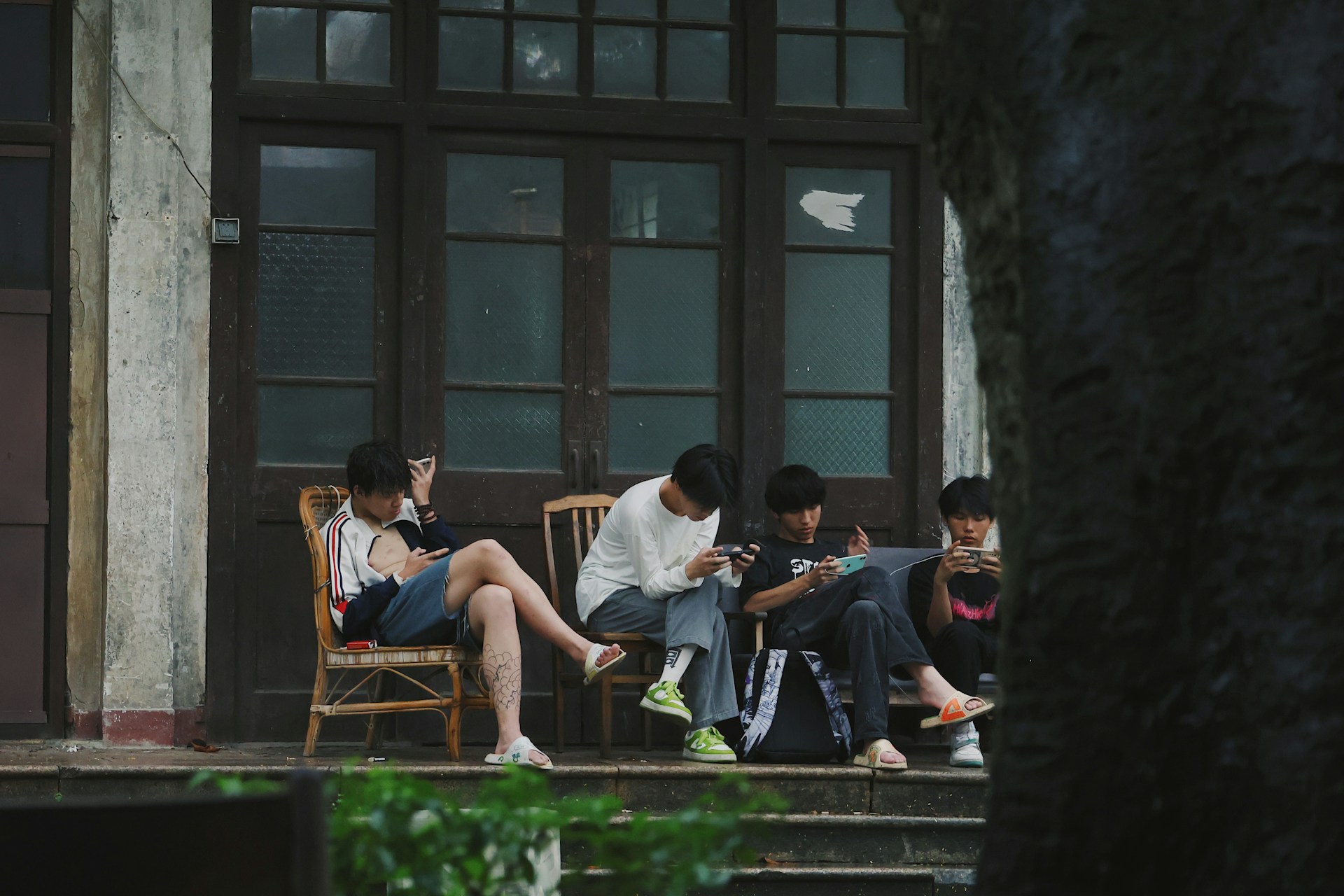
Every young person deserves the opportunity to thrive, regardless of their background or the challenges they face at home.
Unfortunately, many vulnerable teens lack the essential support systems required to navigate the complexities of adolescence. Without proper guidance, these individuals often struggle with behavioral issues, poor academic performance, and a lack of clear direction for their future.
Educators and community leaders are increasingly turning to structured interventions to bridge this gap. Providing targeted support helps vulnerable individuals build the psychological and emotional tools necessary to overcome significant life obstacles.
This approach focuses on teaching adolescents how to manage their emotions, set positive goals, and make responsible decisions.
A critical element of this support involves comprehensive social emotional learning. By incorporating these concepts into structured environments, educators can foster a sense of stability and confidence.
When combined with effective youth development programs, these initiatives create a robust safety net that empowers teens to rewrite their life stories. Furthermore, integrating dedicated life skills training ensures that adolescents are not only emotionally regulated but also practically equipped to handle adult responsibilities.
Understanding the Foundations of SEL
To fully appreciate the impact of these educational frameworks, it is important to understand the core principles that guide them. At its heart, this approach provides a methodology for adolescents to develop healthy identities and manage difficult emotions.
Core Components of the Framework
The standard framework relies on several interconnected pillars that guide the curriculum. These components work together to build a well-rounded, emotionally intelligent individual. Key focus areas include:
- Self-awareness: Recognizing one’s own emotions, values, and strengths.
- Self-management: Regulating behaviors and managing stress in healthy ways.
- Social awareness: Understanding and empathizing with the perspectives of others, especially those from diverse backgrounds.
- Relationship skills: Establishing and maintaining healthy, rewarding connections with peers and adults.
- Responsible decision-making: Making constructive choices about personal behavior and social interactions based on ethical standards.
By embedding social emotional learning into daily activities, facilitators help teenagers internalize these critical competencies.
Addressing the Unique Needs of Vulnerable Teens
Vulnerable adolescents often face unique psychological and environmental barriers that hinder their personal growth. Poverty, community violence, and family instability can cause severe trauma, making it difficult for teens to focus on education or personal development.
Overcoming Behavioral and Emotional Barriers
Traditional punitive measures in schools often fail to address the root causes of behavioral issues among these adolescents.
Instead of punishment, these teenagers require environments that offer empathy and practical coping mechanisms. Quality youth development programs actively work to dismantle these emotional barriers by providing mentorship and consistent positive reinforcement.
By focusing on the underlying trauma and providing healthy outlets for emotional expression, these programs reduce incidents of aggression and withdrawal. This compassionate approach encourages participants to open up, participate in group settings, and begin the healing process.
The Role of Structured Educational Approaches
Consistency is crucial when working with populations that have experienced high levels of instability. A structured curriculum provides a predictable, safe environment where adolescents know exactly what is expected of them and what they can expect from their instructors.
Integrating Essential Concepts into Daily Routines
To be truly effective, emotional and practical education must be interwoven into the daily routines of the participants. A comprehensive sel curriculum for youth provides educators with the specific lesson plans and activities needed to make this integration seamless.
Rather than treating emotional intelligence as a separate, isolated subject, facilitators use these structured lessons to address real-world scenarios.
This continuous reinforcement is a hallmark of excellent life skills training, as it allows teenagers to practice what they learn in a controlled, supportive setting before applying it to external challenges.
Building Resilience Through Practical Applications
Resilience is the ability to bounce back from adversity. For vulnerable teenagers, developing resilience is a matter of survival. Educational frameworks must prioritize activities that allow students to practice recovering from setbacks.
Creating Safe Spaces for Growth
A primary goal of social emotional learning is to create a classroom or community center environment where failure is viewed as a learning opportunity rather than a permanent defeat. Facilitators achieve this by setting up role-playing exercises, group discussions, and collaborative projects.
- Conflict resolution exercises: Teaching teens how to de-escalate arguments with peers.
- Stress management workshops: Introducing techniques like deep breathing and mindfulness.
- Goal-setting sessions: Helping participants break large goals into manageable, actionable steps.
When teenagers feel safe enough to take emotional risks, they begin to develop the profound resilience needed to navigate the adult world successfully.
Long-Term Benefits for Communities and Individuals
The positive outcomes of these interventions extend far beyond the individual teenager. When adolescents receive the emotional and practical support they need, the entire community benefits from reduced crime rates, higher graduation rates, and a more capable future workforce.
Academic and Professional Success Rates
Extensive research demonstrates that effective youth development programs significantly boost academic achievement. Students who participate in these initiatives show improved attendance, higher grades, and better standardized test scores.
Moreover, the benefits translate directly into the professional realm. Employers consistently seek candidates who possess strong communication skills, the ability to work in teams, and emotional regulation.
By equipping teens with these abilities early on, communities foster a generation of capable, well-adjusted adults ready to contribute positively to society.
Implementing Effective Strategies in Schools and Centers
Transforming theoretical frameworks into successful, on-the-ground reality requires careful planning, dedicated resources, and comprehensive training for all involved personnel.
Training Educators and Facilitators
The success of any curriculum depends heavily on the adults delivering it. Teachers, counselors, and community workers must undergo thorough training to understand the nuances of trauma-informed care and emotional education.
Proper life skills training programs offer professional development for educators, ensuring they have the tools to connect with hard-to-reach adolescents.
Facilitators must learn how to model the very behaviors they are teaching. When adults demonstrate effective emotional regulation and active listening, teenagers are far more likely to adopt those same positive behaviors in their own lives.
Shaping a Brighter Future for the Next Generation
Providing vulnerable teenagers with the tools they need to succeed is a complex but profoundly necessary endeavor. By prioritizing emotional intelligence, resilience, and practical knowledge, educators can dramatically alter the life trajectories of those who need it most.
The integration of targeted curricula provides a vital lifeline. When communities invest in these educational frameworks, they are not just helping individual teenagers survive; they are empowering a new generation to thrive, lead, and positively impact the world around them.
Explore the available resources, advocate for comprehensive educational programs in your local community, and help shape a brighter future for the next generation.